
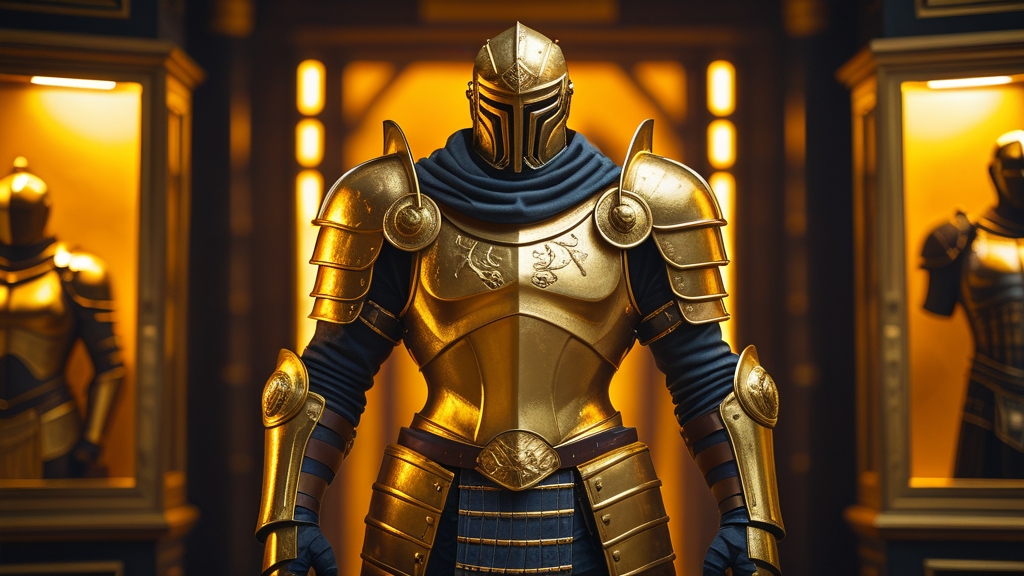
Paint gold armour using Retributor Armour spray or brush basecoat, wash with Reikland Fleshshade, layer with Auric Armour Gold, and highlight with Liberator Gold or Stormhost Silver on edges. This tried-and-tested recipe produces stunning gold armour on any Warhammer miniature, from Custodes to Stormcast Eternals.
Gold armour is one of the most popular colour schemes in Warhammer. Whether you are painting the elite Adeptus Custodes, the gleaming Stormcast Eternals, or adding gold trim to your Space Marines, a convincing metallic gold finish immediately elevates your models. The good news is that Games Workshop’s paint range makes gold armour surprisingly approachable, even for beginners.
This guide covers everything you need to know about painting gold armour on miniatures, from the essential paints and brushes to step-by-step recipes, common mistakes to avoid, and advanced techniques for competition-level results.
What Paints Do You Need for Gold Armour?
The core Citadel paints for gold armour are Retributor Armour (base), Reikland Fleshshade (shade), Auric Armour Gold (layer), and Liberator Gold (layer). You may also want Stormhost Silver for the brightest edge highlights and Rhinox Hide or Abaddon Black for any basecoat work underneath.
Here is the full shopping list for painting gold armour:
- Retributor Armour (Base paint) — the foundation of almost every gold recipe in Warhammer. Rich, warm gold with excellent coverage.
- Reikland Fleshshade (Shade/Wash) — a warm-toned wash that settles into the recesses and gives the gold depth and definition. This is what separates flat gold from realistic gold.
- Auric Armour Gold (Layer paint) — a brighter gold used for the first highlight layer. Slightly lighter and more refined than Retributor Armour.
- Liberator Gold (Layer paint) — even brighter gold for edge highlighting. Creates the appearance of light catching the sharp edges of armour plates.
- Stormhost Silver (Layer paint) — an almost-white silver used for the very finest points and highest edges. Optional but highly recommended for a premium finish.
- Retributor Armour Spray (Spray) — if you are painting an entire army of gold-armoured models, this spray saves enormous time compared to brush-on basecoating.
For alternative brands, Vallejo Metal Color Gold and Scale 75 Elven Gold are excellent substitutes for the base layer. However, Citadel’s Retributor Armour remains the industry standard for good reason — its pigment density and coverage are outstanding.
How Do You Basecoat Gold Armour?
The basecoat is the most important step. Apply two thin coats of Retributor Armour over a black or brown undercoat, ensuring complete coverage without obscuring detail. If painting an army, use Retributor Armour spray for speed.
Before applying gold, your model needs an undercoat. Black primer is the traditional choice and works well — the dark undercoat gives gold a slightly richer, warmer tone. However, some painters prefer a brown undercoat (such as Rhinox Hide or Mournfang Brown) because any spots where the gold is thin will show brown rather than black, which looks more natural.
When brush-painting Retributor Armour, thin it slightly with water (roughly 2:1 paint to water) and apply in smooth, even strokes. Metallic paints contain tiny metal flakes that can create a grainy texture if applied too thick. Two thin coats will always look better than one thick coat. Let each coat dry completely before applying the next.
For large gold armies like Custodes or Stormcast, the Retributor Armour spray is a game-changer. Spray in short bursts from about 20-30cm away, in a well-ventilated area at room temperature. The spray provides an incredibly smooth, even gold basecoat that is difficult to achieve by brush alone.
How Do You Shade Gold Armour?
Apply Reikland Fleshshade generously over the entire gold basecoat, allowing it to flow into recesses and panel lines. This single step adds enormous depth and realism to your gold armour. Let it dry completely before moving to highlights.
Reikland Fleshshade is the secret weapon for gold armour. This warm-toned wash does several things simultaneously: it darkens the recesses, adds warmth and richness to the mid-tones, and creates natural-looking shadows that define the shape of the armour plates.
You have two approaches to applying the wash:
- All-over wash — apply the shade across the entire surface. This is faster and creates a uniform darkening effect. The gold will look slightly darker overall but very cohesive. This is the recommended approach for beginners and batch painting.
- Recess wash — carefully apply the shade only into the deepest recesses, panel lines, and joins between armour plates. This preserves the brightness of the base gold on the flat panels while still adding definition. This takes more time but produces a cleaner result.
If you use the all-over method, you may notice the wash pooling on flat surfaces or leaving tide marks. To prevent this, use the tip of a clean, slightly damp brush to wick away any excess wash from flat panels while it is still wet. Guide the wash into the recesses where you want it.
For an even richer gold, try Agrax Earthshade instead of Reikland Fleshshade. Agrax creates a darker, more weathered gold that works brilliantly for ancient or battle-worn armour. Some painters mix the two for a balanced result.
How Do You Highlight Gold Armour?
Highlight gold armour in two stages: first, layer Auric Armour Gold on raised areas and flat panels, leaving the shaded recesses dark. Then, edge highlight with Liberator Gold on the sharpest edges of the armour.
After the wash has dried completely, your gold will look darker and more defined. The highlighting stage brings the brightness back to the areas where light would naturally catch.
First highlight — Auric Armour Gold: Using a fine detail brush, apply Auric Armour Gold to the raised surfaces of the armour. Focus on the centres of large flat panels, the tops of rounded surfaces, and any raised trim or decoration. Leave the dark wash visible in all recesses and panel lines. This creates the mid-tone of your gold and makes up most of the visible surface.
Second highlight — Liberator Gold: Switch to an even finer brush and apply Liberator Gold as an edge highlight. Run the brush along the sharpest edges of each armour plate, catching only the very edge. Also highlight any rivets, bolts, or raised details. This creates the illusion of light catching the metal.
Final highlight — Stormhost Silver (optional): For a premium finish, apply tiny dots or very short lines of Stormhost Silver at the corners and highest points of the armour — wherever two edges meet or where the light would be strongest. This final highlight adds a sparkling quality to the gold that really makes it pop on the tabletop.
What Factions Use Gold Armour?
Many Warhammer factions feature gold armour prominently. The most notable include the Adeptus Custodes (entirely gold), Stormcast Eternals (gold and blue), Blood Angels (gold trim on red), and Thousand Sons (gold and blue). Gold trim also appears on almost every Chaos Space Marine warband.
Here is a breakdown of how different factions use gold:
- Adeptus Custodes — the entire army is gold armour, making them the ultimate test of your gold painting skills. The techniques in this guide are essentially the Custodes painting recipe.
- Stormcast Eternals — the Hammers of Sigmar wear gold armour with blue accents. They are the poster boys of Age of Sigmar and one of the most popular armies to paint gold.
- Blood Angels — while their armour is primarily red, Blood Angels feature extensive gold trim, shoulder pad rims, and decorative elements.
- Thousand Sons — the Thousand Sons wear blue and gold armour. Their ornate trim requires careful gold application.
- Sanguinary Guard — the elite of the Blood Angels, these models are almost entirely gold and make a stunning display piece.
- Sisters of Battle (Order of the Valorous Heart) — black armour with gold trim and accessories.
Can You Paint Gold Over Black Primer?
Yes, you can paint gold over black primer, but it typically requires two to three thin coats for complete coverage. Gold metallic paints are semi-transparent, so a dark undercoat will show through a single thin layer. For best results, apply a base layer of Rhinox Hide or Mournfang Brown before the gold.
The brown undercoat trick is particularly useful when painting gold trim on models with other base colours. Paint the brown first in the areas where gold will go, then apply the gold over it. The brown warms the gold and provides better coverage than going directly over black.
If you are painting the entire model gold, using the Retributor Armour spray directly over black primer works well — the spray lays down a thicker coat than brush painting and achieves full coverage in one pass.
How Do You Paint Weathered or Dirty Gold?
For weathered gold, add an extra step after your base shade. Apply a thin wash of Agrax Earthshade mixed with Typhus Corrosion in the deepest recesses. You can also stipple small amounts of Nihilakh Oxide into corners and joins to simulate verdigris — the green patina that forms on aged metals.
Weathered gold tells a story. A pristine, gleaming gold suit of armour suggests a ceremonial warrior or a freshly forged Stormcast. A weathered, patinated gold suggests centuries of warfare, ancient relics, or a warrior who has seen countless battles.
Here are several weathering techniques for gold armour:
- Battle damage — use a small piece of sponge to dab Rhinox Hide onto edges and flat panels, creating the appearance of chips and scratches. Follow up with a tiny dot of Leadbelcher inside each chip to show bare metal underneath the gold.
- Grime and dirt — apply thinned Agrax Earthshade or Streaking Grime around the ankles, knee joints, and lower legs where a warrior would accumulate mud and dirt.
- Verdigris — mix Nihilakh Oxide with a touch of Sotek Green and apply it into deep recesses, around rivets, and along the bottom edges of armour plates. This green patina is characteristic of aged copper and bronze alloys.
- Scratches — using a very fine brush, paint thin lines of Stormhost Silver across flat panels to simulate scratches in the gold. Keep these random and varied in length.
What Is the Difference Between Gold and Brass?
Gold is a bright, warm yellow metal, while brass is darker with more of a reddish-brown tone. In Citadel paints, Retributor Armour is a bright gold, while Balthasar Gold is a darker brass/bronze. Use Balthasar Gold when you want a more muted, antiqued metallic finish compared to the brighter Retributor Armour gold.
You can create different effects by mixing or layering these two golds. A basecoat of Balthasar Gold with Retributor Armour highlights creates an aged gold that is richer and more complex than either paint alone. This technique works particularly well for ornate details, chalices, and religious iconography.
How Do You Paint Non-Metallic Metal Gold?
Non-metallic metal (NMM) gold uses regular matte paints to simulate a metallic appearance through careful placement of highlights and shadows. The typical NMM gold recipe uses Rhinox Hide for shadows, Balor Brown for mid-tones, Zamesi Desert for highlights, and Screaming Skull mixed with white for the brightest reflections.
NMM is an advanced technique that requires understanding how light reflects off metallic surfaces. The key principle is extreme contrast — NMM gold needs very dark shadows right next to very bright highlights, with sharp transitions between them. Unlike real metallics, you are creating the illusion of reflection through paint placement alone.
This technique is primarily used for display pieces and competition painting. For gaming armies, traditional metallic paints are far more practical and still look excellent on the tabletop.
Frequently Asked Questions
How many coats of Retributor Armour do I need?
Over a black or grey primer, you will typically need two thin coats. Over a white or brown primer, one coat may suffice. Always let each coat dry before applying the next, and thin the paint slightly to avoid a grainy texture.
Can I use contrast paints for gold armour?
Contrast paints do not work well for gold because they are designed for use over light primers and are not metallic. Use traditional Retributor Armour for gold. However, you can apply contrast paints (like Nazdreg Yellow) over a silver metallic base for a tinted metallic gold effect.
Why does my gold look grainy or rough?
Grainy gold is caused by applying the paint too thick or not shaking the pot enough. Metallic paints contain actual metal flakes that settle at the bottom of the pot. Shake or stir vigorously before use, and always thin slightly with water. Two thin coats will always look smoother than one thick coat.
Should I varnish gold armour?
Yes, varnish gold armour with a gloss or satin varnish to protect the metallic finish and enhance the shine. Matte varnish will dull metallics significantly, so use it only on non-metallic areas. Apply a gloss varnish to the gold, then matte varnish the rest of the model.
What brush should I use for metallic paints?
Use a dedicated brush for metallics because the metal flakes in the paint can damage brushes and contaminate non-metallic paints. Synthetic brushes work well for metallics — they are cheaper to replace and the metal flakes do not damage them as quickly as natural hair brushes.
What colours go well with gold armour?
Deep blue, crimson red, black and purple all work well with gold. Blue is the classic contrast, used by the Hammers of Sigmar and the Thousand Sons, while red cloaks and plumes are the traditional choice for Custodes. Keep the second colour darker and less saturated than the gold so the armour stays the focal point.
Can I airbrush gold armour?
Yes. Airbrushing gives a very smooth gold basecoat, especially on large models like Custodes vehicles or Stormcast monsters. Use an airbrush-ready metallic such as Vallejo Metal Color, or thin Retributor Armour with airbrush medium rather than water. Then wash and highlight by brush as normal, and clean the airbrush thoroughly, since metal flakes can clog the nozzle.